
Fence Survey Tips Every Homeowner Should Know
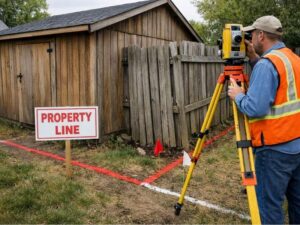
A fence seems simple until it lands in the wrong spot.
Many homeowners assume the old fence line marks the true property boundary, but a proper boundary survey often tells a different story. Some trust online maps. Others rely on what a neighbor said years ago. That’s where trouble starts.
Fence disputes happen for one reason more than any other. People build before they verify.
A fence survey helps confirm where your property begins and ends before posts go into the ground. It can stop arguments, prevent costly mistakes and keep a project moving.
For developers and property owners, the lesson is simple. Check the lines first. Build a second.
Why Fence Surveys Cause Confusion
A lot of people think a fence survey means someone comes out and marks where a new fence should go.
That is only part of the job.
Surveyors don’t decide where a fence belongs. They identify where legal property lines sit. Local setback rules and neighborhood requirements still apply.
A property line and a fence location are not always the same thing.
Some neighborhoods require fences to sit a few feet inside the boundary. Others have corner visibility rules or utility restrictions.
Missing those details creates problems fast.
What a Fence Survey Actually Looks For
A fence survey does more than measure a lot.
Surveyors check multiple items before giving you a final layout.
Existing Property Corners
Surveyors search for monuments already placed on the property.
These can include:
- Iron pins
- Rebar markers
- Survey caps
- Concrete monuments
Older properties sometimes have missing markers. That creates extra work.
Existing Improvements
Crews record visible features on the site.
That may include:
- Existing fences
- Driveways
- Sheds
- Walls
- Pools
- Retaining structures
These details matter because some structures may already cross a property line.
People discover surprises all the time.
Why Older Neighborhoods Create More Fence Problems
Older lots can be messy.
Properties built decades ago often changed hands many times. Fences move. Sheds get added. The owners guess.
Then those guesses become accepted as fact.
A fence standing for twenty years does not prove it sits in the right place.
Developers run into this often during lot redevelopment projects. Someone assumes the old fence marks the line. Survey results say otherwise, and boundary line conflicts start showing up after work is already planned.
Then the project stops while everyone figures out what happened.
That delay costs money.
Hidden Utility Issues Most Homeowners Never Think About
Fence projects and buried utilities do not mix well.
Many people think underground lines stay near the road.
Not always.
Utility easements may cross portions of the property where homeowners planned to build.
Some examples:
- Drainage lines
- Communication cables
- Water systems
- Electric service lines
Building through an easement creates headaches.
Some utility companies can remove part of a fence if access becomes necessary.
Nobody wants that conversation after paying for installation.
County Maps Are Helpful Until They Aren’t
County GIS maps help with general planning.
They help people locate parcels and estimate lot shapes.
They should never decide fence placement.
Many county websites say the same thing. Their maps are not survey documents.
Satellite images shift.
Parcel lines move during digitizing.
Tiny errors become large mistakes once construction starts.
Five feet looks small on a screen.
Five feet on a property line can start a dispute.
Questions to Ask Before Ordering a Fence Survey
Not every property needs the same type of survey work.
Ask these questions first:
Has the property been surveyed before?
Older surveys can give surveyors useful starting points.
Are corner markers still present?
Missing markers can affect time and cost.
Are there existing fences nearby?
Neighboring structures sometimes create conflicts.
Does the property contain easements?
Easements affect placement options.
Are permits required?
Some local offices require survey information before approvals.
Simple questions early can prevent delays later.
Why Developers Pay Attention to Fence Surveys
Developers move on schedules.
One property issue creates a chain reaction.
Permits get delayed.
Installers get rescheduled.
Crews wait.
Fence surveys may seem minor during planning. They are not.
Boundary mistakes discovered after construction cost far more than surveys ordered before work starts.
Frequently Asked Questions
Do I need a fence survey before installing a fence?
Many property owners should get one. Fence surveys verify boundaries and help avoid disputes.
Can I use a county parcel map?
No. Parcel maps are reference tools. They are not legal survey documents.
Will a surveyor tell me where my fence should go?
Surveyors identify property boundaries. Fence placement rules may still come from local codes or permits.
What happens if a fence crosses a property line?
The issue can lead to disputes, removal costs or legal action.
How long does a fence survey take?
Time depends on property size, available records and field conditions.
For a free land surveying quote, call us at (954) 516-2680 or send us a message by going here.
Posted in land surveying, land surveyor |