
Mortgage Survey for Updated Property Records
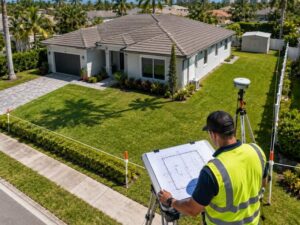
A mortgage survey gives a lender a quick picture of a property. It shows the building. It shows the lot lines. It shows anything that looks off. For developers in Hollywood working on a sale, a refinance, or a new loan, this survey often decides how fast closing can happen. This guide covers what a mortgage survey checks. It shows how it differs from a full boundary survey. It also covers when you need a new one.
What a Mortgage Survey Actually Confirms
A mortgage survey shows where a building sits on a lot. It also shows the lot lines. It flags any clear problems near those lines. This might include a fence that crosses a line. It might show a shed too close to the edge. It might show a driveway that runs onto a neighbor’s land.
The goal is simple. A lender wants proof that the property matches the loan paperwork. A mortgage survey gives them that proof in one drawing.
Why Lenders Ask for This Specific Type of Survey
Lenders take on risk when they fund a loan. A boundary problem adds risk. So does a structure sitting on the wrong side of a line. A mortgage survey flags these issues early. It catches them before the loan closes, not after.
This step also helps the buyer. Nobody wants to close on a home, then learn later that a neighbor’s fence sits two feet onto their new land. A mortgage survey catches this kind of surprise ahead of time.
How a Mortgage Survey Differs From a Full Boundary Survey
A full boundary survey goes deep. It sets exact corner markers. It checks old deed records in detail. A mortgage survey moves faster. It gives a general picture instead of a full legal record.
This gap matters for planning. A mortgage survey works fine for most home loans. A project that needs exact corner markers, like a new fence near the line, usually needs a full boundary survey instead.
What Shows Up on a Mortgage Survey Drawing
A mortgage survey drawing usually shows a few key things:
- The outline of the main building and any other structures on the lot.
- The lot lines, based on the recorded plat or deed.
- Setback distance from the building to each property line.
- Any visible problems, like a fence or shed that crosses a line.
- Easements noted in the public record, if they show up on the plat.
This gives a lender a clear snapshot of the property. It skips the deeper work a full boundary survey requires.
When a Property Needs a Fresh Mortgage Survey
Some lenders accept an older survey if nothing has changed on the lot. Many won’t. A new fence can mean an old survey no longer matches the property. So can a new shed or a recent addition.
A fresh mortgage survey also makes sense in other cases. This includes a property that changed hands more than once. It also includes any past dispute with a neighbor. Old paperwork can miss changes made after the last survey was done.
Steps to Get a Mortgage Survey Before Closing
- Ask your lender or title company if a mortgage survey is required for your loan.
- Request the survey early. Delays here can push back your closing date.
- Share any prior survey you have. This can speed up the work if little has changed.
- Review the survey for any flagged problems before closing day arrives.
- Keep a copy on file. A future refinance or sale may need it again.
What Happens When a Mortgage Survey Reveals a Problem
Skipping this step does not remove a boundary problem. It just delays the moment someone finds it.
A fence found on a neighbor’s side of the line can stall closing until it gets fixed. A shed built too close to a setback line might need a special approval or a move first. A hidden easement crossing the lot can raise a question the title company needs answered before funding the loan.
Catching these issues during the survey step keeps a deal on schedule. Finding them after closing turns into a much harder fix.
Frequently Asked Questions
Is a mortgage survey the same as a boundary survey?
No. A mortgage survey provides a general representation of the property for lending purposes, while a boundary survey precisely establishes property lines, verifies deed information, and may include setting or locating boundary markers. Some transactions require both.
How long does a mortgage survey take?
Most mortgage surveys are completed within a few days. The timeline depends on the surveyor’s schedule, property access, and the complexity of the site.
Can I use an older survey instead of ordering a new one?
Sometimes. Some lenders will accept an existing survey if the property has not changed since it was prepared. Others require a current survey, especially if new structures or improvements have been added.
What happens if a mortgage survey identifies a problem near the property line?
If the survey reveals an encroachment or another boundary issue, the lender or title company may require it to be resolved before closing. This could involve corrective work, legal agreements, or additional approvals.
Who typically pays for a mortgage survey?
Responsibility for the cost depends on the terms of the transaction and local practice. The buyer, seller, or lender may pay for the survey, so it is best to clarify this early in the closing process.
For a free land surveying quote, call us at (954) 516-2680 or send us a message by going here.
Posted in land surveying, land surveyor | Tagged Mortgage Survey