
ALTA Survey Requirements for Rooftop Equipment
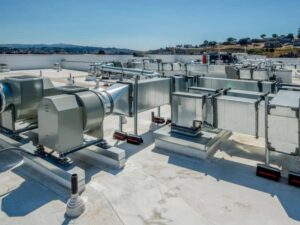 A commercial survey mostly looks at the ground. Yet some of a building’s most valuable or troublesome features sit on the roof, including HVAC units, telecom antennas, solar arrays, and the leases or access rights that come with them. Understanding ALTA survey requirements in locating rooftop equipment areas tells you what the survey will show, what it won’t, and what to request separately. Set those expectations before field work begins, and you’ll avoid gaps in due diligence.
This guide is for commercial buyers and owners, with lenders, title agents, and equipment tenants in mind. It covers recorded rights, what the standard survey includes, optional items, and how to use the findings. Requirements vary by lender, title company, and property, so confirm your scope early.
When Rooftop Equipment Matters in Commercial Property Surveys
Rooftop equipment matters in a survey when it’s tied to recorded rights, affects building height, or connects to ground-level features. Telecom antenna leases, solar agreements, and shared mechanical systems can all show up in the title commitment. Lenders and buyers want to know how those rights affect the property.
Rooftop items can also matter at the property line. Equipment screens, overhangs, or platforms on a building built near the line may extend over a neighbor’s land. Ask the surveyor whether overhanging elements will be located as part of the work.
Equipment upgrades can make these questions urgent. Adding solar, replacing large units, or installing new antennas may raise height, structural, and access questions. A clear survey baseline helps the design team plan.
Reviewing Recorded Easements and Rooftop Access Rights
Recorded rooftop rights can create hidden easements, access obligations, or other property interests that should be reviewed during commercial due diligence. A telecom carrier may hold a lease for antenna space plus an access route through the building and across the site. Those documents appear in the title commitment if they’re recorded.
The surveyor reviews each listed document and shows how it affects the property. Many rooftop leases describe areas on the roof or inside the building, which may not be plottable on a ground-level drawing. In that case, the survey typically notes that the document affects the building without plotting a specific area.
Ground-level rights connected to the roof often can be plotted. Access easements, utility routes to the equipment, and ground-level equipment pads usually have locations the survey can show. Read the lease or easement to see what areas and access paths it actually grants.
Clarifying ALTA Survey Requirements for Rooftop Equipment Areas
The ALTA/NSPS minimum standards focus on the boundary, improvements on the ground, easements, and access. They don’t generally call for a detailed roof plan or an inventory of rooftop equipment. The building footprint is shown, but what sits on top usually isn’t, unless the scope adds it.
Some optional Table A items touch on rooftop concerns. Building height can be requested, usually measured at a location the client specifies, which helps when equipment additions may affect height limits. Table A also allows other items agreed between the client and surveyor, which can cover specific rooftop features.
Be clear about what you need. If the lender or buyer wants rooftop equipment documented, ask the surveyor how it would be done, what access is needed, and how results would appear. Rooftop work may require access permission and safety planning.
Coordinating Building Plans and Optional Survey Information
Building plans fill gaps the survey can’t easily cover. Roof plans, mechanical drawings, and structural reports show equipment locations, loads, and connections. Paired with the survey, they give a much fuller picture.
Gather documents early so the surveyor and design team can use them. Each one answers different questions. Useful records include:
- Roof plans showing equipment locations and access paths
- Mechanical and electrical drawings for rooftop systems
- Telecom, solar, or equipment leases and their exhibits
- Structural reports on roof capacity, if available
- Prior surveys and as-built drawings
Lease exhibits deserve a careful look. They often include sketches of the leased roof area and the access route. Compare them with the survey and building plans to catch conflicts before closing.
Using Survey Findings for Property Transactions and Equipment Upgrades
Survey findings on rooftop rights help with both transactions and upgrades. For a purchase, they show which rooftop agreements affect the property and where related ground-level rights run. For upgrades, they provide a baseline for height, setbacks, and access.
Review rooftop leases with your attorney and title agent. Check how long the leases run, what access they grant, and whether they limit your use of the roof. Unrecorded agreements found during due diligence may need attention before closing.
New equipment can affect height, zoning, structural loads, and existing lease areas. Design teams should check height limits with the local jurisdiction and confirm roof capacity with an engineer. The survey gives them ground-level and height data to start from.
Frequently Asked Questions
Does an ALTA survey show rooftop equipment?
The standard survey generally doesn’t map rooftop equipment in detail. It focuses on ground-level improvements, boundaries, and easements. Building height and other agreed items can be added through Table A. Ask your surveyor what your scope will include.
How does an ALTA survey handle rooftop telecom leases?
The surveyor reviews recorded leases listed in the title commitment. Rooftop areas may be noted as affecting the building without being plotted. Ground-level access routes and equipment areas can often be shown. Your attorney should review the lease terms.
Can a survey measure building height for equipment upgrades?
Yes, building height is an optional Table A item. It’s usually measured at a location the client specifies. That data helps when new equipment may approach height limits. Confirm those limits with the local jurisdiction.
Do I need roof access for the survey?
Roof access may be needed if rooftop features are part of the scope. Standard ALTA work usually stays at ground level. Arrange access and safety requirements early if roof work is included. Discuss the details with your surveyor before scheduling.
What if rooftop equipment extends past the property line?
Elements extending over a line may be an encroachment. Ask the surveyor whether overhanging features will be located. The title company and your attorney can explain how it affects coverage. Resolving it may require an agreement with the neighbor.
For a free land surveying quote, call us at (954) 516-2680 or send us a message by going here.
Posted in ALTA Surveying | Tagged ALTA Survey