
Flood Elevation Certificate After Raising Mechanical Systems
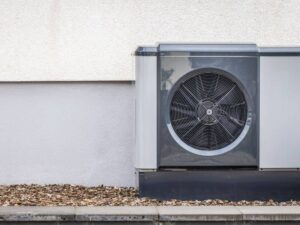 Floodwater can damage the mechanical systems that keep a home running. Air-conditioning equipment, water heaters, generators, and electrical components may be vulnerable when installed at lower elevations.
For homes in flood-prone areas, raising outdoor equipment can help place important mechanical systems at a safer elevation. Owners may elevate an AC condenser, generator, or other exterior equipment to meet applicable floodplain requirements or reduce exposure to floodwater. After this work, updated elevation measurements can document the new equipment height.
A flood elevation certificate may need to be updated when changes affect information shown on the existing certificate. The new documentation can record current elevations and support floodplain permitting or other property records when required.
Why Mechanical System Elevations Matter in Flood Documentation
Flood rules care a lot about height. They look at how high key parts of a home sit. Mechanical systems rank near the top of that list. A low unit is a soft spot in a flood.
A mechanical systems elevations can include air-conditioning equipment, water heaters, generators, and electrical components. During elevated home renovations, some of this equipment may be raised to reduce flood exposure or meet applicable local requirements. Documenting the new elevations helps show where these systems sit after the work is completed.
A flood elevation certificate captures these heights. It is a form filled out by a licensed surveyor. It lists the level of your floors and your equipment. That record shows how your raised systems compare to the expected flood level.
When an Elevation Certificate Should Be Updated
An elevation certificate is a snapshot in time. It reflects the home as it stood on the survey day. Once you change key heights, that snapshot goes stale. Raising mechanical systems is one clear reason to update it.
Your old form still shows the low equipment. It does not show the safer, higher position. An insurer or an official reading it would see the wrong picture. A fresh survey fixes that gap.
Other changes can call for an update too. A new addition, a raised floor, or major flood work can shift your numbers. Rules on when an update is required can vary by insurer, lender, and local office. Ask early so you are not caught short.
How Surveyors Verify Raised Equipment and Building Elevations
A surveyor measures with care and precise tools. They tie their readings to a known reference point. Then they check the height of your floors, your ground, and your raised gear. Each number is recorded to a set standard.
For lifted equipment, they measure the base of each unit. This shows how high the condenser or panel now sits. They compare that height to the flood line for your zone. The result goes right on the new certificate.
The surveyor also confirms the building’s key levels. The lowest floor and the lowest ground still matter. These numbers round out the full flood picture. Together they show how safe the home really is.
Reviewing Flood Zone Data and Required Elevation Information
Every property sits in a flood zone on a FEMA map. The zone sets the rules that apply to your home. A high-risk zone often lists a base flood elevation. This is the height floodwater is expected to reach.
Your surveyor checks this map before the field work. They confirm your zone and your target height. This tells them how high your equipment should sit. It also shows what the certificate must report.
Flood maps can change over the years. A home once seen as low-risk may sit higher on the scale now. That shift can change your rules and your rates. Always work from the current map, not an old one.
Using Updated Elevation Records for Permits and Risk Review
A fresh certificate is a useful tool once the work is done. Local offices may want it to close out a permit. It proves the raised systems meet the required height. Keep a copy with your project records.
Insurers use the same document to judge risk. A higher equipment level can support a better rate. The certificate gives them the facts they need. Share it with your agent when you review your policy.
Requirements can vary by property type, flood zone, insurer, and local office. Confirm what your project needs before and after the work. A current flood elevation record protects your home and your budget. It turns a good repair into a documented win.
Frequently Asked Questions
What is a flood elevation certificate?
A flood elevation certificate is a form that records key heights of your home. A licensed surveyor measures the levels and fills it out. It compares your home to the expected flood level in your zone. Insurers, lenders, and permit offices often ask for it.
Do I need a new certificate after raising my equipment?
Yes, in most cases you do. Your old form still shows the lower equipment height. A new survey proves the safer, raised position. Ask your insurer and local office to confirm what they require.
Can raising mechanical systems lower my flood insurance?
It often can, though results vary by policy. Higher equipment means less risk of flood damage. An updated certificate gives your insurer proof of that height. Share it with your agent to see how it affects your rate.
Which systems should be raised above the flood line?
Common targets include the air conditioner, water heater, and electric panel. Generators and pumps are often raised too. The right height depends on your flood zone and local rules. A surveyor and contractor can guide the safe level.
How long does an elevation survey take?
A single-home survey is usually quick in the field. The office work to prepare the form takes a little longer. Timing can vary with the property and the surveyor’s schedule. Ask for a clear turnaround when you book the job.
For a free land surveying quote, call us at (954) 516-2680 or send us a message by going here.
Posted in elevation certificate | Tagged elevation certificate,