
Why Older Commercial Buildings Still Need an ALTA Survey
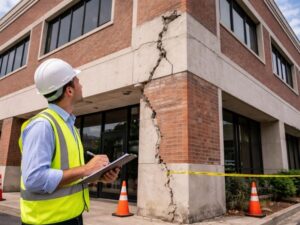
Your commercial building is 30 years old. Maybe 50. It’s been stable. The roof hasn’t leaked in a decade. You’re planning to refinance or sell. Your lender asks for an ALTA survey document. You wonder: Why? The building’s been here for decades. What could possibly be wrong?
That thinking costs commercial property owners hundreds of thousands of dollars. Older buildings hide problems that boundary surveys and basic inspections never catch. An ALTA Survey reveals these hidden risks before you inherit them.
This article explains why older commercial buildings specifically need ALTA surveys and what developers and owners should know.
What Makes Older Buildings Different
Older commercial buildings were built under different rules. Building codes were less strict. Title records were kept differently. Utility systems were installed without modern documentation. Decades of ownership changes mean previous owners may have built structures or modified property lines without proper surveying.
Time creates gaps. Encroachments appear. Easements get forgotten. Utility companies claim rights nobody recorded. Previous owners might have built additions without permits or surveys.
A boundary survey shows your property lines. It doesn’t catch these problems. An ALTA Survey is different. It looks for title issues, easements, encroachments, and utility conflicts that boundary surveys miss.
Hidden Title Issues in Older Properties
Every commercial property has a title history. Older buildings have long histories. Old deeds contain contradictions. Property descriptions use landmarks that no longer exist. Previous surveys might show conflicting boundary lines.
Title companies investigate these issues. But they rely on documented records. Old records are incomplete. A building might have been subdivided decades ago. Those subdivisions might not show up in current title records.
An ALTA Survey requires a title search. The surveyor reviews decades of deeds, mortgages, and legal documents. They find conflicts between what title records say and what actually exists on the ground.
You might discover:
- Previous owners built additions without permits
- Boundary lines shifted after old surveys
- Encroachments from neighboring properties
- Utility easements nobody told you about
- Conflicting deed descriptions
Finding these issues before you buy or refinance saves you from inheriting legal problems. Finding them after closing costs thousands in remediation or legal fees.
Encroachments: When Neighbors Cross the Line
Older commercial buildings often sit in developed urban areas. Properties are close together. Over decades, neighbors creep. A fence gets installed wrong. A building corner extends three feet onto your lot. A parking lot drains onto your property.
These encroachments might have existed for 20 years. But they’re still violations. If you refinance or sell, the lender or new owner will demand resolution. You’ll have to remove the encroachment or pay thousands for a legal resolution.
An ALTA Survey identifies encroachments before they become your problem. The surveyor documents every structure, fence, and utility on and near your property. They measure distances precisely. They identify what belongs to you and what doesn’t.
For older buildings, encroachments are common. Parking lots drift. Building corners extend. Utility boxes sit partially on neighbor property. The ALTA Survey documents all of it.
Easements: Rights You Don’t Own
An easement gives someone else limited rights to use part of your property. Utility companies hold easements to access water, gas, electric, and sewer lines. Neighbors might have easements to cross your property. The city holds easements for infrastructure.
Older buildings accumulate easements. Utility companies have been adding easements for 30, 40, or 50 years. Some might not be recorded. Some might be documented but forgotten. Some might have conflicts.
An ALTA Survey requires a full title search. The surveyor identifies every recorded easement. They also look for utility access and placement that suggests unrecorded easements. This matters because:
- Easements restrict what you can do with the property
- Buildings built in easement areas create title issues
- Easement holders have rights you can’t limit
- Future owners will want proof of easement locations
For older buildings, easement conflicts are common. You might discover a utility easement runs through space you planned to develop. Or a neighbor’s easement gives them access rights you didn’t know about.
Utility Conflicts and Underground Infrastructure
Older commercial buildings have aging utility systems. Water lines, sewer pipes, electrical conduits, and gas lines all run underneath. Some are documented. Many aren’t.
An ALTA Survey includes utility location research. The surveyor reviews utility company records. They identify where utilities actually run. For older buildings, this often reveals surprises:
- Utilities run in places not marked on old surveys
- Multiple utility lines use the same path
- Utility easements extend beyond the building footprint
- Utility companies have legal access rights you didn’t document
- Underground utilities prevent certain types of construction
When you plan renovations or expansions, utility conflicts surface. ALTA surveys catch these before you start construction.
Previous Modifications Without Documentation
Older buildings have been modified. Additions were built. Parking lots were paved. Structures were removed. Sometimes these modifications happened without proper surveys or permits.
A parking lot extension might encroach on utility easements. An addition might violate current setback requirements. A structure removal might have left boundaries unclear.
The ALTA Survey connects current conditions to documented history. The surveyor compares old surveys to current conditions. They identify what changed and whether changes created legal problems.
For commercial lenders and buyers, this matters. They want proof that the property is legally usable as currently configured. If modifications violated regulations, they can demand remediation before closing.
Why Lenders Demand ALTA Surveys on Older Buildings
Commercial lenders require ALTA surveys for older buildings because risk is higher. The longer a property’s history, the more likely hidden problems exist.
Lenders understand that:
- Title defects are more common in older properties
- Encroachments accumulate over decades
- Easements change and conflict
- Previous owners might have built illegally
- Boundaries become unclear when old surveys conflict
An ALTA Survey gives lenders confidence. It documents existing conditions and identifies risks. If problems exist, the lender knows before closing and can require remediation.
If you’re refinancing an older building, expect the lender to require an ALTA Survey. It’s not optional. It’s their protection and yours.
Redevelopment and Expansion: ALTA Survey Reveals Constraints
Older buildings get redeveloped. You might plan:
- Interior renovations
- Building additions
- Parking lot expansion
- Roof work requiring crane access
- Underground work
These projects require knowing exactly what you can and can’t do on your property. An ALTA Survey identifies constraints:
- Setback violations that prevent expansion
- Easements that restrict construction zones
- Encroachments that create legal liability
- Utility locations that affect underground work
- Title issues that prevent permits
Without an ALTA Survey, you might design an addition only to discover it violates setbacks. Or you might start construction and uncover an easement. These discoveries mid-project cost tens of thousands in redesign and delays.
Frequently Asked Questions
Do I really need an ALTA Survey if my building has been stable for 20 years?
Yes. Stability doesn’t mean legal clarity. A building can sit undisturbed for decades while hidden title issues, easements, and encroachments exist. These become problems when you refinance, sell, or modify the property. An ALTA Survey identifies them before they cost money.
How much does an ALTA Survey cost for an older commercial building?
ALTA surveys for commercial properties typically cost $1,500 to $5,000 depending on property size, complexity, and location. Older buildings with unclear title histories cost more because research takes longer. However, discovering problems after closing costs far more. The survey is cheap insurance.
Can I skip the ALTA Survey if I’m just refinancing my older building?
Most commercial lenders won’t allow it. They require ALTA surveys for refinancing because they’re lending against the property. If title issues exist, the lender wants to know. Skipping the survey risks loan denial or demands for remediation before closing.
What if the ALTA Survey discovers encroachments or easements?
You have options. You can negotiate removal or relocation. You can obtain title insurance that covers the problem. You can seek legal resolution. You can request the lender or buyer accept the condition. The ALTA Survey gives you information to make informed decisions rather than discovering problems too late.
How long does an ALTA Survey take for an older building?
Basic ALTA surveys take two to four weeks. Older buildings with complex title histories take longer because title research is more involved. Plan for four to eight weeks if significant research is needed. Start the survey process early in any transaction or financing to avoid delays.
For a free land surveying quote, call us at (954) 516-2680 or send us a message by going here.
Posted in land surveying, land surveyor | Tagged cost of land surveying, estimating the cost of land surveying, land surveying cost, land surveying cost Hollywood